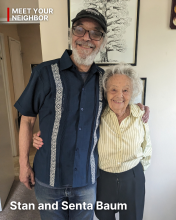
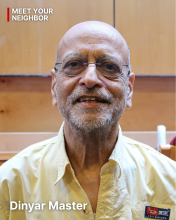
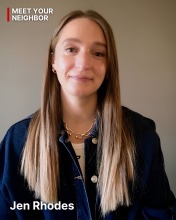
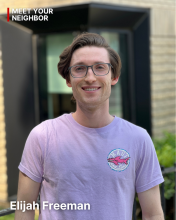
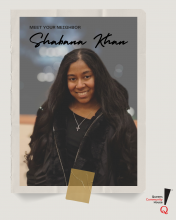
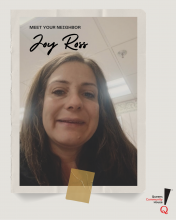
“I’ve spent my career working in child-focused nonprofits, much of that time in early childhood. It felt like an inevitable field for me because it’s the most crucial time to create lasting impact.
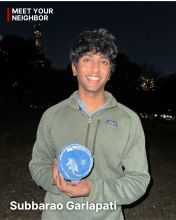
"I've always been interested in how things work. When I was younger, I would take things apart just to see what components they had. A few years ago, I fixed my own computer mouse by taking it apart, replacing a broken component, and getting it working again.
"I grew up in Minnesota and went to college in Atlanta at Georgia Tech, where I earned my bachelor's and master's degrees in computer science. I then moved to New York in 2023.
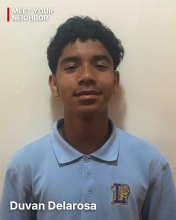
"When my family and I came to the United States, we were looking for a better future and the opportunities this country could offer us. Moving to a new country was a big change, but it has been an amazing experience.
"My parents actually met while volunteering at a community event, so being involved in the community has always felt natural to me. In high school, I coordinated volunteer opportunities for other students and spent my own time volunteering in a hospital and nursing home.
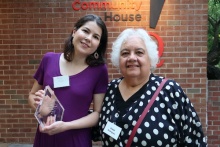
"I first learned about Queens Community House through my sister at a moment when my life felt like it was collapsing. I was behind on rent, facing eviction, and unsure where to turn.